







Search Results for: C.A.F.E. certification
Starbucks Ends Fair Trade Certification Partnership, Marking a Major Shift in Coffee Ethical Sourcing Standards
Starbucks has announced it will not renew its contract with Fairtrade, meaning coffee sold in its global stores will no longer carry the Fairtrade certification label. This decision has raised questions about its commitment to ethical sourcing. Starbucks says it will instead rely on the C.A.F.E. Practices standard, developed jointly with Conservation International and independently audited by the third-party organization SCS Global Services. However, many groups worry that without Fairtrade's independent oversight, the C.A.F.E. standard may not truly safeguard coffee farmers' rights on core issues such as minimum purchase prices and sourcing from smallholder cooperatives. This article reviews the history of Starbucks' partnership with Fairtrade, the origins and controversies of C.A.F.E. Practices, and Starbucks' past reversals on its ethical sourcing stance, offering coffee lovers a full picture of this event. [more…]
Over 1,600 Starbucks Yunnan coffee farms have passed C.A.F.E. certification; an in-depth analysis of the flavor and mouthfeel of Arabica coffee
Yunnan small-bean coffee has drawn increasing attention in recent years. Since establishing its first Asia-Pacific Farmer Support Center in Pu'er in 2012, Starbucks has continued to promote the sustainable development of the local coffee industry. By introducing the C.A.F.E. Practices certification system, it strictly monitors four aspects: product quality, economic responsibility, social responsibility, and environmental protection. To date, 1,678 farms have passed certification, covering more than 16,000 hectares of cultivated area, with nearly 17,000 person-times of cumulative training for coffee farmers. Starbucks incentivizes farmers to sort and process coffee beans according to the principle of "high quality, high price," enhancing the overall quality and image of Yunnan coffee. This article will provide an in-depth interpretation of the flavor and taste characteristics of Yunnan small-bean coffee under this certification system, along with recommendations from Front Street Coffee, to give you a comprehensive understanding of the rise of Yunnan coffee. [more…]
National Consumers League Sues Starbucks: C.A.F.E. Certification and '100% Ethically Sourced' Promise Called into Question
Recently, the National Consumers League (NCL) filed a lawsuit against Starbucks in the Superior Court of the District of Columbia, accusing its "100% ethically sourced" marketing of deceiving consumers. NCL pointed out that Starbucks emphasizes ethical sourcing commitments in its marketing, yet fails to effectively address labor abuses such as child labor and forced labor in its coffee supply chain. Since 2015, Starbucks has claimed that 99% of its coffee is ethically sourced. Although its C.A.F.E. Practices program includes multiple indicators, investigative journalists in Brazil and elsewhere have still found violations at certified farms. Starbucks responded that it will vigorously defend itself and stressed that it works with farms to ensure compliance with standards. [more…]
Starbucks and Nestlé's Yunnan coffee supply chain labor practices face independent investigation, certification system questioned
Recently, two labor monitoring organizations released reports stating that during field investigations in Yunnan Province, China, they found that coffee farms in the supply chains of Starbucks and Nestlé may have situations that do not meet certification requirements. The reports revealed the so-called "ghost farms" and "coffee laundering" model—small family farms informally supply coffee beans to large certified estates, resulting in labor practices that may violate the terms of Starbucks C.A.F.E. Practices and Nestlé's 4C certification. Through undercover interviews, investigators found that farm workers are paid by picking weight, often needing to work from dawn to dusk, seven days a week, lacking paid leave, protective equipment, and contract protection. Both Starbucks and Nestlé stated they will seriously investigate and take necessary measures. [more…]
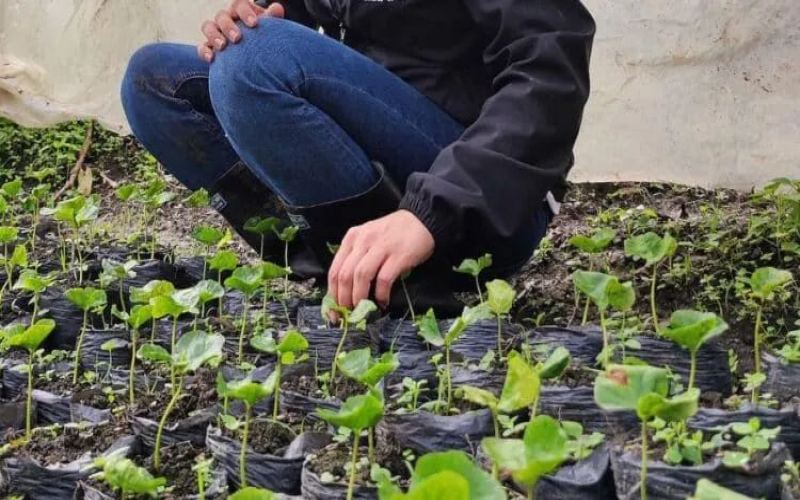
Colombia Distributes 55.7 Million Coffee Seedlings, 2024/25 Production Forecast Raised to 12.9 Million Bags
Colombia's coffee industry has recently received a series of positive signals. Starbucks, in collaboration with the Colombian Coffee Growers Federation (FNC), has distributed 55.7 million disease-resistant coffee seedlings to local farmers, reaching over 17,000 growers across 17 departments. After the effects of El Niño and drought, the arrival of the rainy season in October has led to a gradual recovery in production. The FNC estimates that production for the 2023/24 year will reach 12.8 million bags, while the USDA FAS forecasts that the 2024/25 year could reach 12.9 million bags. However, factors such as severe weather in Brazil and logistics delays have driven Arabica prices to a 47-year high, and the market expects prices to remain elevated in 2025. [more…]
How to Properly Brew Starbucks Coffee Beans? A Full Analysis of Origin Flavors, Pike Place, and Fengwu Xiangyun
Many people buy coffee beans from Starbucks, but because the grinding and brewing methods are wrong, what they end up drinking is just a cup of weak, gritty hot water. Starting from this problem, this article explains clearly why coffee grounds need to be filtered, why coffee grounds cannot be consumed directly, and the bean selection and roasting logic behind how Starbucks coffee beans traveled from Seattle's Pike Place Market to the world. The article will also introduce the flavor characteristics of Pike Place Roast, the Feng Wu Xiang Yun blend involving China's Yunnan, and the complete tasting method of smelling the aroma, sipping, and taking a full mouthful, helping coffee lovers truly understand the time, temperature, and extraction details behind a cup of Starbucks coffee. [more…]
Major Reform of the SCA Coffee Certification System: Credit-Based "Black Certificates" to Be Discontinued, New Skills Certificates Require Comprehensive Learning
The Specialty Coffee Association (SCA) recently announced that it will launch a brand-new SCA skills certificate system, gradually replacing the current SCA coffee certificates. The application deadline for the current Black Certificate (100-point certificate) is December 31, 2023, and the new certification will be fully implemented starting in 2024. The new system is divided into four major certification tracks, each requiring completion of three foundational courses—Coffee Skills, Sustainability, and Technology—before advancing to the corresponding higher-level study, completely abandoning the credit system. For professionals currently preparing for or planning to obtain the old Black Certificate, this year is the final window of opportunity. [more…]
What Are the Internationally Recognized Barista Certifications? A Full Analysis of SCA Certification Levels and Their Practical Value
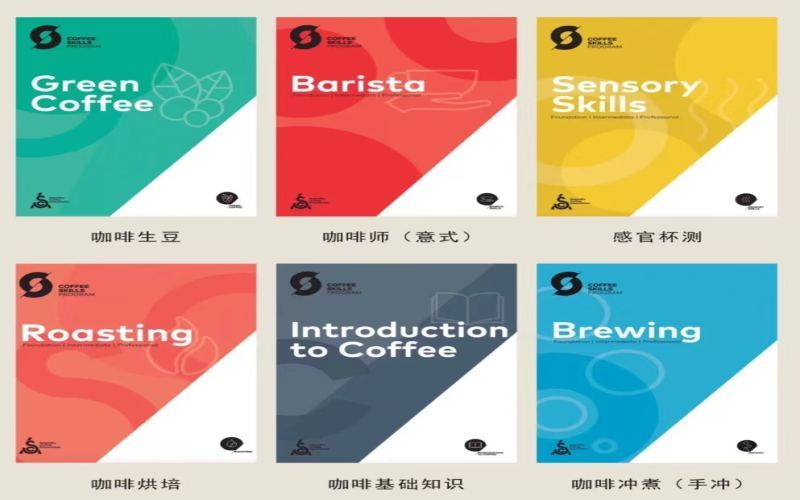
For those looking to enter the coffee industry, the first question many ask is: what exactly is an internationally recognized barista certification? Currently, the globally accepted answer is the certification issued by the SCA (Specialty Coffee Association). SCA's coffee skills program covers sensory cupping, coffee brewing, espresso preparation, roasting, an introduction to coffee, and the Arabica Q-Grader certification, among other tracks. With the exception of Q-Grader, the other categories are divided into three levels: Foundation, Intermediate, and Professional. You can skip Foundation and sign up directly for Intermediate, but you must obtain the Intermediate certificate before you can take the Professional level. China's national barista vocational skills certificate is currently recognized only within the country; internationally, SCA certification remains the standard. Is getting certified actually useful? Are the fees high? Is certification mandatory to work as a barista or open a coffee shop? This article will address these questions one by one to help coffee enthusiasts and industry professionals make a rational judgment. [more…]

Is It Worth Getting a Barista Certification? A Full Breakdown of the Differences Between SCA Certification and Q-Grader Qualification
Does working in the coffee industry really require obtaining a certification? This is a question that many coffee professionals and enthusiasts have pondered repeatedly. In recent years, China's coffee market has grown rapidly, with all kinds of training institutions springing up endlessly, and huge disparities in qualifications and fees, leading many people to waste their money. This article focuses on two paths—the SCA Barista certification and the Q-Grader coffee quality grader certification—sorting out their level systems, exam rules, fee ranges, and suitable audiences, to help readers judge whether certification fits their own career plans, while also discussing the practical value of certificates and the importance of subsequent self-improvement. [more…]

How Much Is a Barista Certification Really Worth? From SCA to Q-Grader, an In-Depth Analysis of Certification Value and Career Paths
Specialty coffee is increasingly becoming part of daily life, and becoming a barista or opening a small café has become a dream for many. In an era when everyone can do pour-over, getting certified seems to have become the preferred path to stand out. But is a barista certificate really worth it? Behind the high training fees, can the course content truly improve oneself? This article examines the actual usefulness of certification, the necessity of certification before applying for jobs or starting a business, the internationally authoritative certification systems (SCA, Q-Grader), and the reform of domestic vocational qualifications, sorting through the value and applicable scenarios of barista certificates one by one. Whether you are a newcomer just entering the industry or an aspiring owner preparing to open a shop, you can find rational reference here. At the end of the article, Front Street Coffee's contact information is also included for further discussion. [more…]
How Do You Get SCA Barista Certification? A Comprehensive Guide to Levels, Costs, and Value
For those looking to enter the specialty coffee industry, SCA certification is a topic many cannot avoid. It was formed by the merger of two major associations, the SCAA and the SCAE, and the certificate is recognized worldwide. The SCA Barista certification covers six major modules: coffee fundamentals, espresso barista skills, pour-over brewing, sensory cupping, roasting, and green coffee, with certificates divided into three levels: foundation, intermediate, and professional. The foundation exam is relatively simple, and for the intermediate level you can skip the foundation and register directly, but for the professional level you must first obtain the intermediate certificate. Does earning the certification mean a higher salary? Is the course really worth taking? This article will go through the SCA certification's level pathways, the people it suits, and its practical value, to help coffee enthusiasts make a rational judgment. [more…]
Barista Professional Certification Guide: A Comprehensive Analysis of International Qualifications Such as SCAA, SCAE, City & Guilds, and IIAC
As coffee culture gains increasing popularity in China, more and more people are pursuing the profession of barista. A barista is not only a maker of beverages, but also a practitioner of life aesthetics and craftsmanship. However, faced with a dazzling array of international certification systems, many practitioners often feel confused: which authoritative coffee qualification certificates are actually worth obtaining? This article systematically reviews several major international coffee certification bodies currently in the mainstream—including the American SCAA, the European SCAE, the British City & Guilds, and the Italian IIAC—along with their corresponding courses and qualification requirements, to help baristas clarify their career advancement paths and find a certification direction that suits them. [more…]
A Comprehensive Guide to Global Organic Tea Certification Systems: Differences Among EU, US, Japan and Other Standards, and Buying Tips
The core difference between organic tea and conventional tea lies in whether it has been certified by an authoritative body. EU organic regulations prohibit genetic modification and synthetic inputs, and require animals to be raised in ways that suit their species characteristics, and are regarded as the strictest threshold in the tea industry. Certifications such as Switzerland's IMO, France's Ecocert, the US USDA, Japan's JAS, India's, Canada's, China's, Australia's, and Germany's Naturland each have different emphases, with significant differences in scope of application and difficulty of obtaining them. Rainforest Alliance, UTZ, FDA, and HACCP provide supplementary assurances from the perspectives of sustainable agriculture and food safety. This article systematically sorts out the rules, authority, and market applicability of major certifications, helping coffee and tea lovers accurately identify the true meaning behind labels when making purchases. [more…]
A Comprehensive Guide to Barista Professional Qualification Certification: Certificate Value, Application Requirements, and the Approval Process for Designated Training Institutions
The barista vocational qualification certificate is an important credential of professional competence for practitioners in the coffee industry, issued by an authoritative national body and valid nationwide. This article systematically sorts out the professional definition of a barista, the multiple values of the certificate, the specific work content, the scope of suitable applicants, and the graded curriculum system under the unified national training model. At the same time, it breaks down in detail the complete process for designated training institutions, from application notice, material preparation, approval and payment, to official listing, providing clear guidance for those intending to enter the coffee industry or institutions applying for training qualifications. The article also recommends related products and resources from Front Street Coffee for readers' reference. [more…]
Why Is Rainforest Alliance Certified Coffee Called Frog Beans? An Analysis of the Relationship Between Blue Mountain Coffee Flavor and Certification
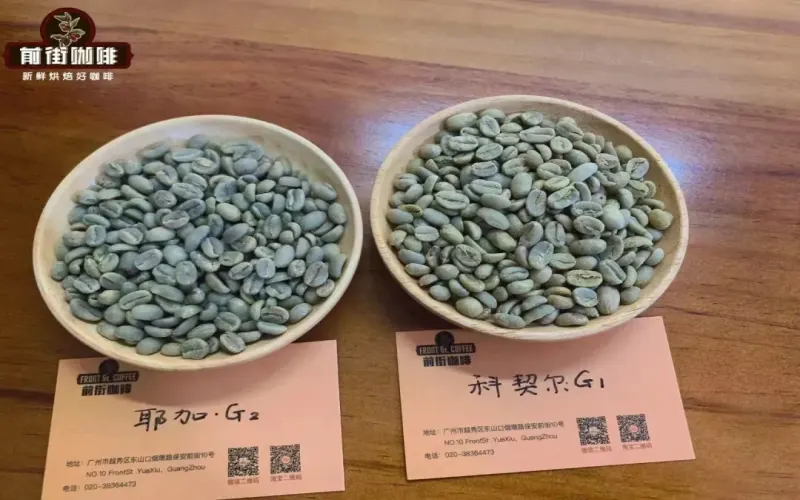
Have you ever heard the term "frog bean"? It doesn't refer to green coffee beans that look like frogs, nor to the "goat hoof" beans caused by Indonesia's wet-hulling process, but rather to coffee beans that have received Rainforest Alliance certification—because the logo of this certification is a red-eyed tree frog. The Rainforest Alliance was founded in 1987 and is an international non-profit organization operating at the intersection of agriculture, forestry, and business. Its certification focuses on whether farms adopt sustainable agriculture and natural resource management practices, with a particular requirement that coffee be grown under the shade of native forest trees using traditional farming methods. Coffee beans that pass certification may use the Rainforest Alliance logo and gain priority sales channels. However, certification does not necessarily mean the flavor is outstanding; it mainly evaluates the growing environment. The Blue Mountain coffee currently sold by Front Street Coffee is the only bean it offers with this certification, and within the Blue Mountain region, only Clifton Mount Estate holds the certification. Let's now take a closer look at frog beans, the Rainforest Alliance, and the flavor performance of Front Street Coffee's Blue Mountain. [more…]
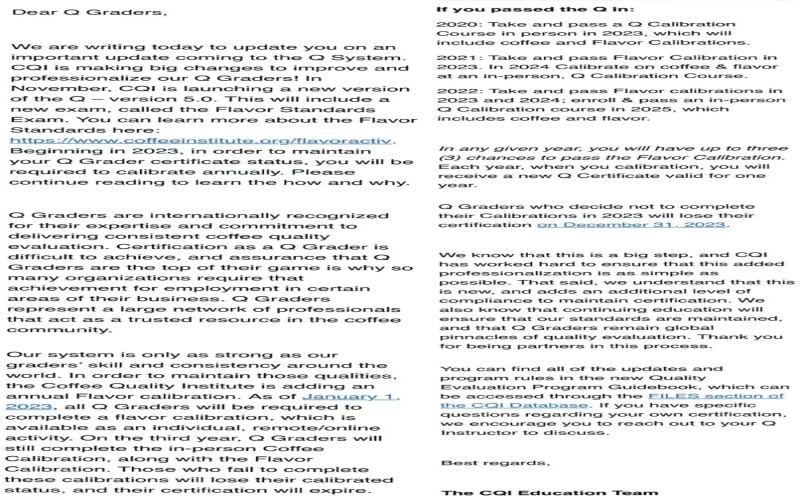
New Q Grader Certification Rules: Starting in 2023, annual flavor calibration is required, with fees and validity periods adjusted accordingly
Starting January 1, 2023, the Q Grader certification system will undergo significant changes. CQI requires all certified individuals and those currently enrolled in courses to independently complete an annual flavor calibration called Flavoractiv Calibration; otherwise, their certification will become invalid, and the certificate validity period will be shortened from three years to one year. At the same time, the triennial cupping calibration must still be attended as usual. The new requirement does not need an instructor present; individuals only need to purchase designated capsules, follow the instructions, and upload their answers to renew. CQI has also introduced calibration packages for different group sizes, priced from $160 to $585, with lower unit prices for larger groups. This article will provide a detailed interpretation of the new rules and fee changes. [more…]

An Analysis of the SCA and Q Grader Certification Systems: Exam Content and a Practical Guide for International Baristas
Want to break into the coffee industry—do you really need to spend money on certifications? The two major international credentials, SCA and Q Grader, are often discussed. SCA uses a credit-accumulation system covering barista skills, pour-over, roasting, sensory, and green coffee, among other areas, allowing students to choose modules as needed; Q Grader, launched by CQI, focuses on green coffee quality evaluation, requiring candidates to pass twenty tests within six days, with the certificate valid for three years. This article breaks down the course structure, exam content, fees, and target audiences of the two types of certification to help you decide which path better suits your career plans. [more…]
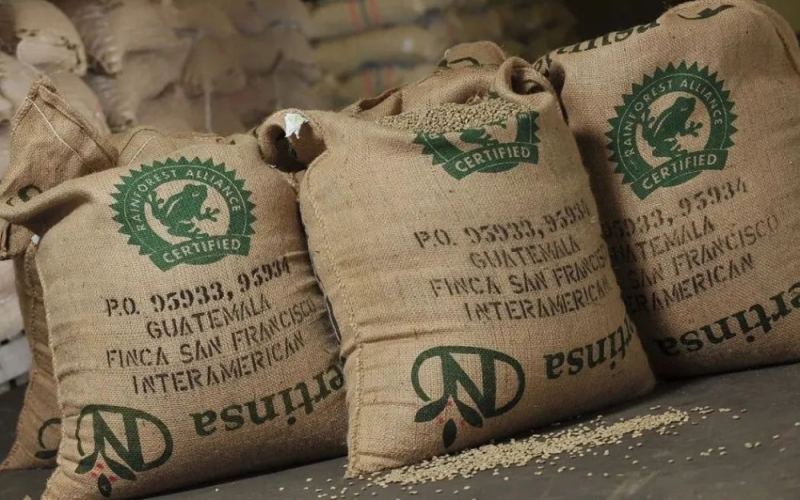
Rainforest Alliance Certification and the "Frog Bean" Revealed: The Sustainable Coffee System Behind the Red-Eyed Tree Frog Logo
In the specialty coffee world, the term "frog bean" may be niche, but it points to a rigorous environmental certification system—Rainforest Alliance certification. Coffee beans bearing the green red-eyed tree frog logo mean that everything from cultivation to processing meets ecological protection and social responsibility standards. This article will walk you through the origins of the Rainforest Alliance, its merger with UTZ, the specific contents of the certification criteria, and why the red-eyed tree frog was chosen as the logo. We will also introduce the rare coffees currently on the market that have obtained this certification, including Front Street Coffee's Panama Diamond Mountain and Jamaica Clifton Mount Estate Blue Mountain No. 1, to help you understand the flavor and value behind "frog beans." [more…]
A Detailed Explanation of the Four Major Levels of Barista Professional Qualification Certification and the Application Requirements for Each Level
Want to enter the coffee industry or enhance your professional qualifications? Understanding the level structure and application thresholds of barista professional qualification certification is the first step. Currently, this certification system has four levels, progressing step by step from junior barista to coffee technician, covering career directions such as coffee preparation, tasting, industry research, and cultural promotion. Different levels correspond to different requirements for education, training hours, and years of work experience, and applicants can choose a suitable path based on their own circumstances. This article will sort out the specific application qualifications for each level one by one to help you clearly plan your certification route. [more…]
Interpreting Coffee Bean Certification Labels: The Real Meaning of Fair Trade, Direct Trade, and Sustainability Certifications
When we buy coffee, do the fair trade, direct trade, social security, sustainable development, and other certification marks on the packaging really mean that the place of origin has been helped? As consumers, we pay more and more attention to these labels, but our understanding of the mechanisms behind them and their actual effects is limited. This article will deeply analyze the meaning, operating methods, and limitations of various coffee certification systems, and at the same time introduce practical cases such as Front Street in promoting sustainable development in places of origin, to help you support the healthy development of the coffee industry through more rational consumer behavior. [more…]